2026年8月1日 - 読了目安 3 分
この記事は英語のみです。
How long does it actually take to publish to the App Store and Google Play?
- mobile
- app store
- google play
- expo
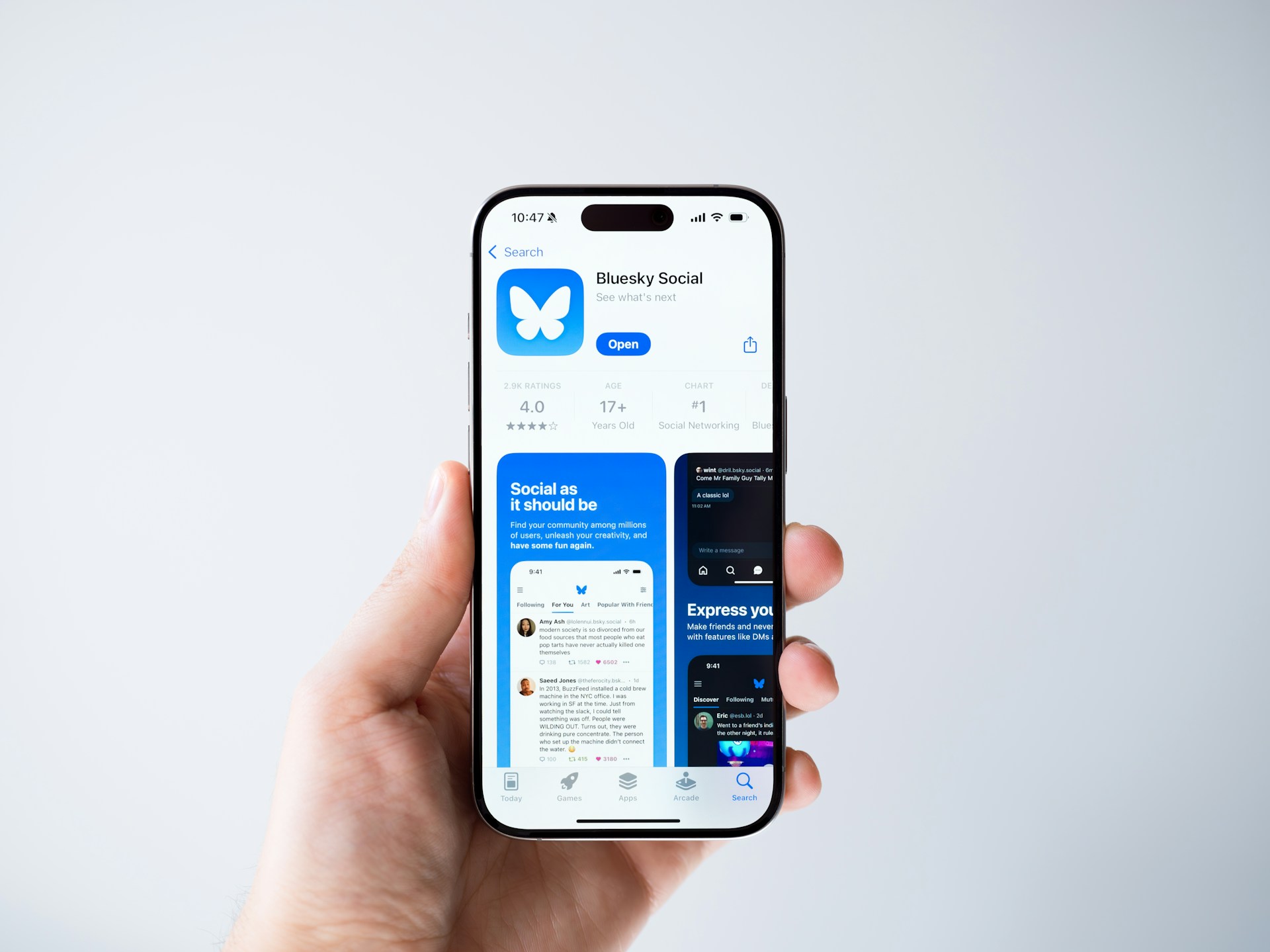
Photo by Yohan Marion on Unsplash
We can build apps faster than ever. The bottleneck now is the last mile: getting through app review.
Here's what actually sets the timeline, and what you can do on day one to avoid losing weeks to it.
Three paths, three timelines
Apple App Store ~4 days - Play Organization ~10 days - Play Personal ~26 days
- Apple App Store: live in ~4 days. Enrollment, setup, review takes 4 days.
- Play - Organization: live in ~10 days. Setup and review takes 10 days.
- Play - Personal: live in ~26 days. Setup and review takes 12 days. Forced closed test takes 14 days.
The gap between these isn't store review speed. It's almost entirely one policy: Google requires a 14-day closed test with 12 continuous testers before a personal account can go to production. Skip that requirement with an organization account, and Play Store's timeline drops close to the App Store's.
Pick your path
NOTE
A D-U-N-S number is a nine-digit business ID issued by Dun & Bradstreet, used to verify that your organization is a real legal entity. Issuance can take anywhere from about a day to a few weeks if D&B has to verify your business records manually.
CAN YOU GET A D-U-N-S NUMBER FOR YOUR GOOGLE PLAY ACCOUNT?
YES
Organization account
Live in about 1 to 2 weeks. No forced closed test.
NO
Personal account
Live in 3 to 5 weeks. A 14-day closed test with 12 continuous testers is required first.
Apple App Store - $99 a year. No forced testing period. A smooth submission is live in 2 to 4 days; if the first review comes back with a rejection, plan on 1 to 2 weeks.
Google Play Store - Organization - $25 once. No forced testing period, but you need a D-U-N-S number to register the organization first. A smooth run is live in 1 to 2 weeks; with a rejection, 2 to 4 weeks.
Google Play Store - Personal - $25 once. The 14-day closed test is mandatory. A smooth run still takes 3 to 5 weeks; with a rejection, 6 to 10 weeks.
What actually eats the time
The 14-day closed test - This applies to personal accounts created after 13 Nov 2023. It isn't just 14 calendar days, the twelve testers need to be actively engaging continuously for the full period, so recruiting and onboarding them early matters as much as the wait itself.
Apple rejections - About half of first submissions get one. Each round-trip costs 3 to 5 days, though fixes that only touch metadata (not the binary) tend to clear faster through the Resolution Center (in Apple's App Store Connect) than a full re-review.
Paid apps and in-app purchases - The Paid Applications Agreement, plus tax and banking details, must clear before release. That's normally 1 to 3 days, but it can stretch past 30 days if there's an issue with the tax forms.
Start these on day one
- Start the Google Play closed test with your MVP build.
- Recruit 15 to 20 testers for the 12-tester minimum. Paid testing services are allowed as long as the engagement is real.
- Create the Apple app record. The name isn't reserved until you do.
- Sign the Paid Applications Agreement if the app is paid or has in-app purchases.
- Build the shared assets: privacy policy URL, icon, screenshots, descriptions, and demo credentials.
The numbers in this post come from the original cheat sheet below.

Cheat sheet by Kadi Kraman, shared on LinkedIn.